When someone in Moncton searches for a service your business provides, can they find you? For small businesses, appearing in relevant Google Search results and Maps can help potential customers discover their services, compare providers, and get in touch.
Improving local visibility starts with making your business information accurate, explaining your services clearly, and giving customers a useful website experience. Results depend on factors such as relevance, distance, prominence, and competition. No website change or SEO provider can guarantee a particular ranking.
1. Make it clear what your business offers
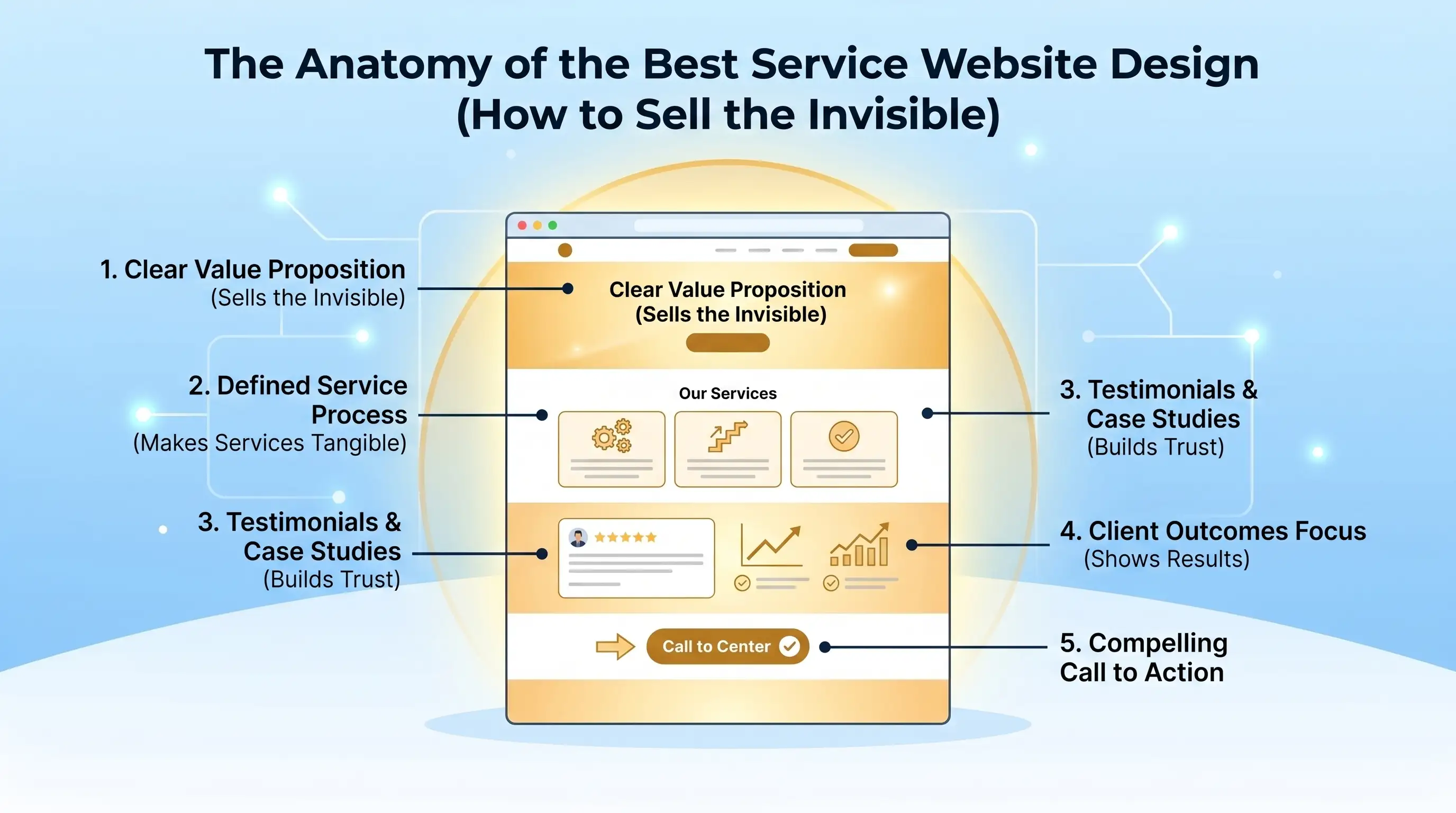
Your website should explain what you do, who you help, and how customers can take the next step.
For example, a Moncton contractor should clearly describe the services offered, the types of projects handled, and how customers can request a quote. A professional services business should explain its expertise, who it serves, and how to arrange an initial conversation.
Give important services dedicated, useful sections or pages where appropriate. Include the details customers need to understand your offering rather than relying on broad statements or lists of keywords.
Make it easy to find your phone number, contact form, booking options, or other relevant next steps.
2. Explain where you serve customers
If your business serves Moncton and nearby communities, make that coverage clear wherever it is relevant.
Depending on your actual operations, you may serve customers in Dieppe, Riverview, or other parts of Greater Moncton. Explain which communities you cover and whether you travel to customers, serve them remotely, or welcome them at an eligible business location.
Accurate service-area information helps customers understand whether your business is relevant to them. Do not claim to have a staffed office or storefront in a community where you do not have one.
Create separate location pages only when they provide genuinely useful information for customers in those areas. Repeating the same content with different community names is unlikely to give visitors a meaningful reason to choose your business.
3. Review your Google Business Profile
For eligible businesses, Google Business Profile can help customers discover important information through Google Search and Maps.
Check that your profile accurately reflects your business:
- Business name and primary category
- Phone number and website
- Opening hours
- Services and relevant business details
- Address or service area, according to Google's eligibility and representation guidelines
Keep your profile current when details change. Choose categories that accurately describe your business rather than adding unrelated categories to target more searches.
A Google Business Profile complements your website; it does not replace useful service information, clear contact options, or a good customer experience.
4. Build trust with genuine reviews and examples of your work
People often compare several businesses before deciding whom to contact. Genuine customer feedback and relevant examples of completed work can help them make that decision.
Invite customers to leave honest reviews through permitted channels. Respond professionally to feedback, and never offer incentives in exchange for reviews or pressure customers to change their ratings.
Your website can also demonstrate credibility through:
- Relevant project examples
- Genuine testimonials
- Clear explanations of your process
- Accurate business and contact information
- Answers to common customer questions
Use real examples and verifiable claims. Trust is more valuable than making promises about rankings or results that you cannot substantiate.
5. Make important website pages easy to find
Search engines need ways to discover your important pages, and visitors need straightforward navigation.
Start with your main services and any genuinely useful local pages. Link related pages from relevant sections of your website, and use descriptive link text so visitors know what they will find.
For example, a page about local search visibility can link to your local SEO service. A page explaining website costs can link to your web development services.
Check that important pages load correctly, use the intended canonical URLs, and are not blocked from indexing unintentionally. If a URL changes, redirect the old address appropriately and update internal links to point directly to the final destination.
6. Make the website work well on mobile
A potential customer should be able to understand your services and contact you easily from a phone.
Review the website on a smaller screen and check that:
- Important information is readable without unnecessary zooming.
- Phone numbers and contact options are easy to find.
- Forms work correctly and request only necessary information.
- Pages load reliably.
- Navigation is straightforward.
- Booking, quote-request, or purchase steps work as intended.
Technical performance matters, but a fast website alone will not guarantee higher rankings. Focus on providing a reliable, accessible, and useful experience.
7. Use Google Search Console to identify opportunities
Rather than changing every page at once, use actual search data to decide what to improve.
Google Search Console can show which queries generate impressions and clicks for your website. Review the performance of your Moncton service page and look for relevant searches where the page appears but receives few clicks, or where its ranking position leaves room for improvement.
Pay attention to:
- Queries related to the services you actually provide
- Impressions and clicks over comparable periods
- Click-through rate and average position
- Pages receiving visibility for relevant local searches
- Changes after important content or technical updates
If your page receives impressions but few clicks, examine the actual queries and search snippet before rewriting the title. If visitors arrive but rarely contact you, review the page's clarity, trust signals, and inquiry process.
Where analytics and conversion tracking are available, compare search visibility with meaningful actions such as calls, contact form submissions, bookings, and sales.
Rankings fluctuate, so look for trends over time rather than treating a short-term change as proof of success or failure.
8. A practical starting checklist for Moncton businesses
You don't need to make every change at once. Start with the basics:
First, clarify the offer
- Explain your main services in plain language.
- State your genuine service area.
- Make contact and inquiry options easy to find.
Next, check your local information
- Review your Google Business Profile if eligible.
- Confirm that contact details and business information are accurate.
- Invite honest customer feedback through appropriate channels.
Then, improve the website
- Link to important service pages from relevant sections.
- Fix broken links and unnecessary redirect paths.
- Check mobile usability and important contact flows.
- Add useful examples and answers to customer questions.
Finally, measure progress
- Record current Search Console performance.
- Identify relevant queries and pages with room to improve.
- Make one or two targeted changes.
- Compare results over a suitable period.
The right priorities depend on your business, competition, service area, and current search performance.
Help Your Moncton Business Build a Stronger Online Presence
Getting found on Google begins with clear service information, accurate business details, and a website that helps customers take the next step.
If your website isn't communicating what you offer or helping prospective customers contact you, Vantage Point can help you assess its structure, web development, and local SEO foundations.
Web design and development for Moncton businessesLearn more about our local SEO servicesMore From the Journal

Have a project in mind?
Tell us where you want the brand to go. We'll tell you how to get there.
Start a Project